IRON REMOVAL
Iron removal is a water treatment process that involves removing dissolved or suspended iron from water. Iron can make water appear discolored or taste metallic and can also cause staining on clothes, appliances, and fixtures.
There are several methods for removing iron from water, including:
Oxidation - This involves adding an oxidizing agent, such as chlorine or hydrogen peroxide, to the water to convert the iron into a solid form that can be filtered out.
Filtration - This involves passing the water through a filter medium, such as sand or activated carbon, which can trap the iron particles.
Ion exchange - This involves passing the water through an ion exchange resin that exchanges iron ions for sodium or potassium ions.
Biological treatment - This involves using bacteria that can oxidize and remove iron from the water.
The appropriate method for removing iron from water depends on the type and concentration of iron present, as well as other water quality factors.
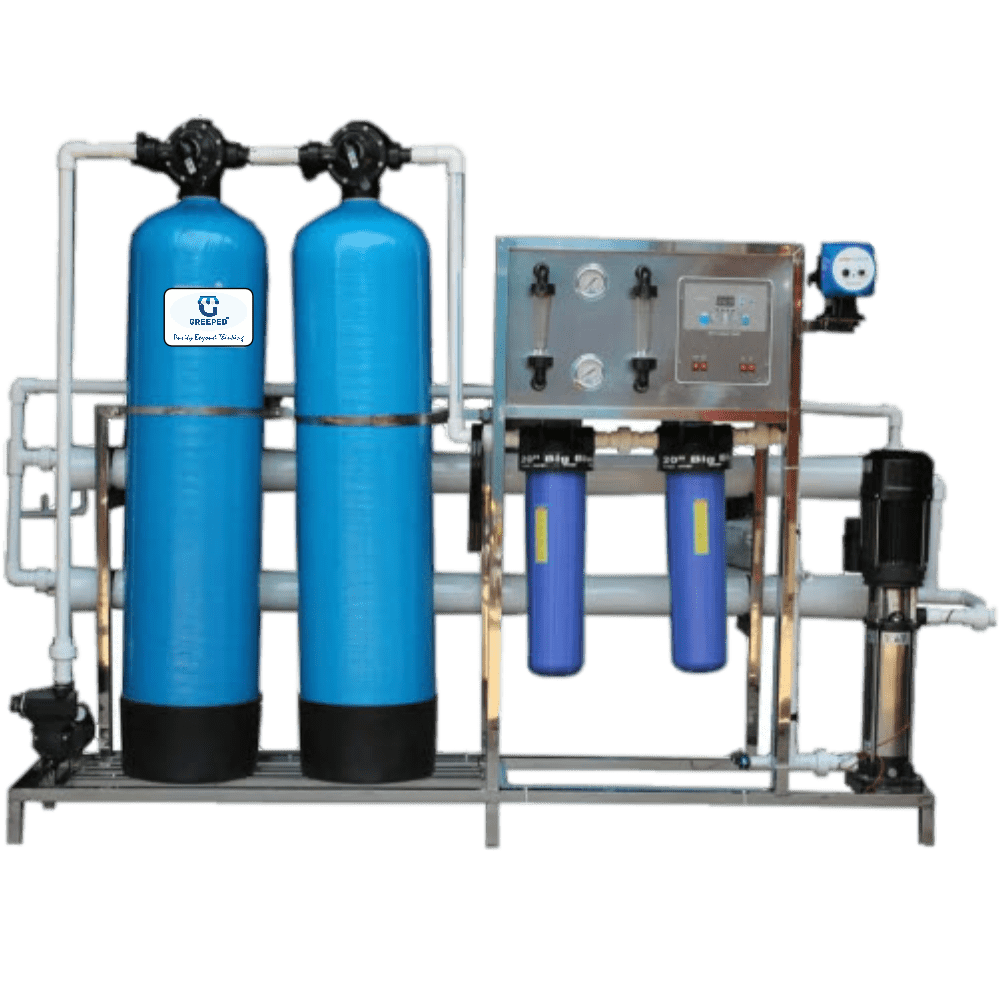
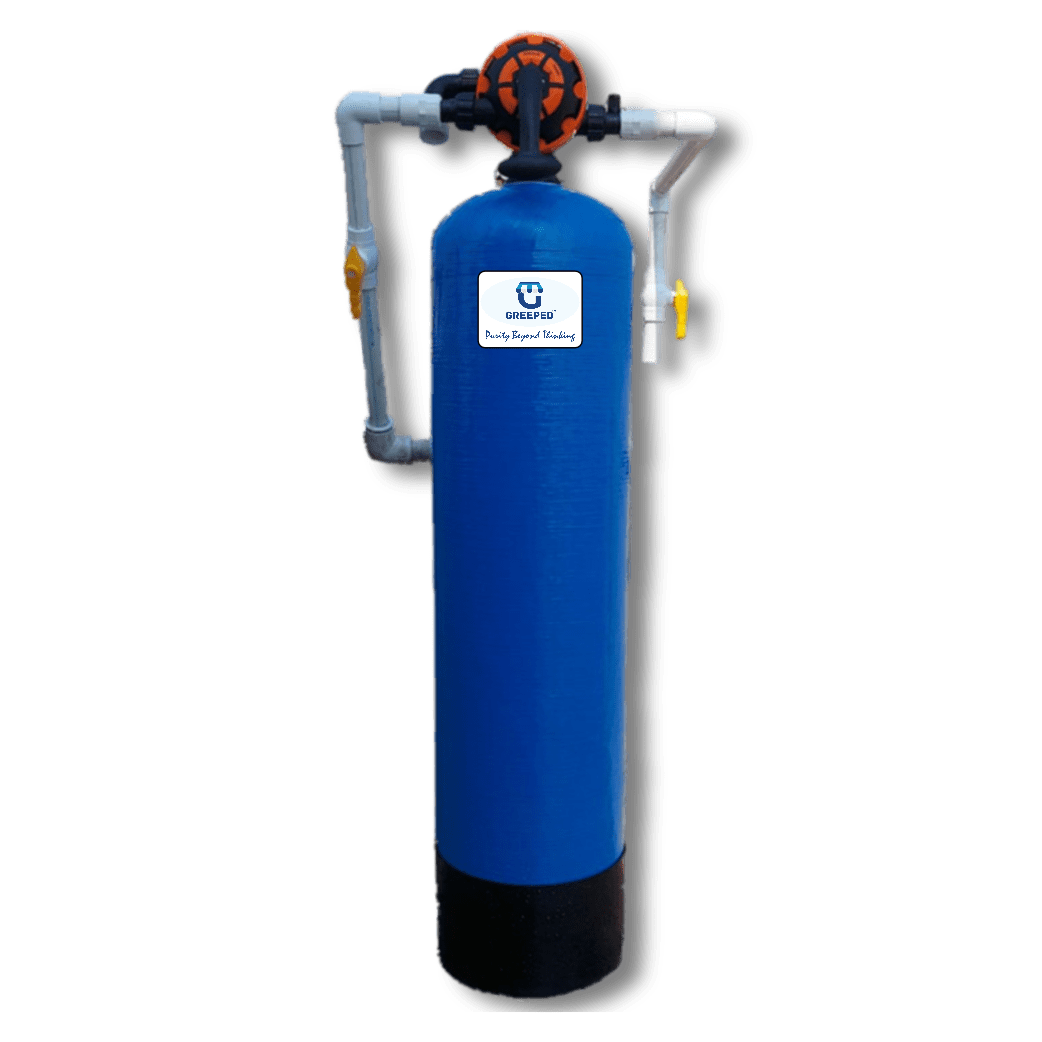
Iron removal systems typically consist of one or more treatment stages, depending on the complexity of the water quality. The systems require regular maintenance, including filter replacement, backwashing, and monitoring of water quality parameters, to ensure optimal performance and prevent system failure.